Aisle Seat or Middle Seat: Two Different Views of a Stand
Aisle seat or middle seat? Compare sightline, passing traffic, and the view across a stand to choose a position that suits how you watch live sport.

Aisle seat or middle seat: which gives you the better view of a live event? The answer depends less on the label than on what sits between your eyes and the action: the angle to the field, nearby movement, and how much of the stand you want in view.
An aisle seat offers an open edge and easier access, but that edge can bring people into your peripheral vision. A middle seat can feel more settled and centered, while requiring you to look past neighbors when you need to leave. Choose by the view you want to sustain, not by a simple rule that one position is always superior.
Start with sightlines
A seat farther within a row often gives a more enclosed view. The people beside you remain in roughly fixed positions, and your attention can stay on the playing area rather than on a route through the row. This can suit spectators who prefer a steady frame and expect to watch from the opening whistle to the finish.
But a middle position is not automatically centered. In a curved stand, a seat near one end of a row may face the action at an oblique angle, while an aisle seat on another row may line up more directly with the field. The row’s location, the stand’s shape, and the view toward the part of the playing area you care about all matter.
An aisle can widen the view on one side. Depending on the stand, that gap may reveal more of the pitch, court, or arena floor, or it may mostly reveal a stairway and the backs of people moving through it. The opening is useful only if it adds a view you value rather than a new source of distraction.
Choose by viewing style
If you follow play across the whole field, favor the position that gives you the clearest angle on both ends and the space between them. A seat on an aisle near a turning point in a curved stand can sometimes make the far end feel less compressed; a middle seat closer to the stand’s central viewing line may make the same action easier to follow. Compare the actual seat map and available view images when offered, rather than relying on “aisle” or “center” alone.
If your attention stays on a particular zone—a goal, a corner, a baseline, or a bench area—prioritize the direction you face. A side aisle can create a useful open edge, but it cannot correct an angle that hides the area you want to watch. A seat within the row may be the better fit when its orientation keeps that zone in clear view.
For a spectator who enjoys watching the crowd as part of the event, the aisle has a different advantage: it exposes more of the stand’s activity. That can make a match feel connected to the surrounding section, though it also means occasional movement beside you. A middle seat tends to keep the view more focused on the field and the people immediately around you.
Account for passing traffic
The aisle is a route, not just an empty strip beside a seat. People may pass to reach their places, return during play, or pause briefly while finding a row. If movement in your peripheral vision pulls your attention away, an aisle position can feel busy even when the view itself is unobstructed.
A middle seat trades that nearby stream of movement for a more contained setting. It is often a sensible choice when you would rather not track passersby, particularly during long stretches of play. The trade-off is that leaving may require other spectators to stand or shift, so consider how likely you are to step out and how comfortable you are asking people to make room.
There are quieter and busier aisles, but a seat map rarely tells the whole story. An aisle near a main cross-aisle or a prominent route may draw more movement than one at the end of a smaller section. If the venue provides a detailed seating view or notes about the section, use those details to judge the position; do not assume all aisles behave alike.
Match the seat to your situation
Choose an aisle if you expect to leave your seat, prefer an open edge, or value a broader view of the stand around you. It is also a reasonable fit if passing movement does not bother you and the aisle is on the side that improves your angle rather than exposing a distracting route.
Choose a middle seat if you want fewer people crossing your peripheral view, plan to stay seated through most of the event, or prefer a more enclosed frame around the action. It can also suit a group that wants to sit together without one person repeatedly moving aside for the row.
For a mixed group, decide who benefits most from the aisle and who is comfortable sitting farther in. A person who expects to leave can take the edge while companions settle beside them. If frequent movement would distract the whole group, the convenience may not compensate for the interruption.
For a child or someone who needs easier access, weigh the aisle’s direct route against the activity beside it. The best choice depends on the individual’s comfort and the venue’s seating arrangement; a companion may prefer to sit between the aisle and the person who wants a quieter view.
Say you are choosing for two friends: one likes to follow play without interruption, while the other expects to visit concessions during the event. An aisle seat at the end of their pair lets the second friend leave without asking the first to move, while the quieter friend sits inside. The expected result is a more convenient exit for one and a less exposed position for the other, provided the aisle traffic is not itself distracting.
What can you tell before booking?
Does an aisle seat always have a better view?
No. It can open one side of the view, but the seat’s angle and any nearby route may matter more than the gap. Check the position relative to the action rather than treating the aisle label as a viewing upgrade.
Is a middle seat better for watching play?
It may feel less exposed to passing movement and keep attention on the field. Its advantage depends on the row’s orientation and whether the people around you obstruct the view.
Which seat is easier to leave?
An aisle seat usually gives you a direct way out of the row. A middle seat may require neighboring spectators to stand or shift, so it is less convenient for someone who expects to come and go.
What should I check on the seat map?
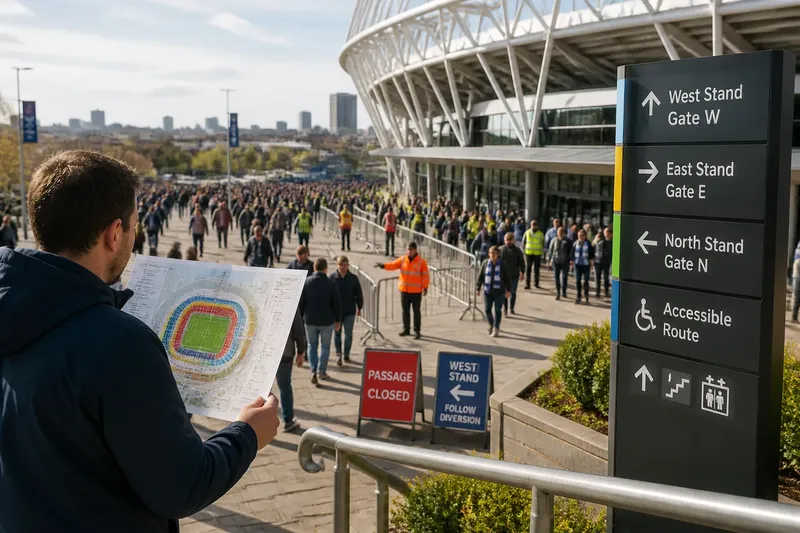
Look at the seat’s direction toward the playing area, the position of the aisle, and any nearby cross-aisle or route markers. If the venue offers a view from the seat, compare that image with the event layout, since camera angles and temporary setups can affect what is visible.
Make the final comparison
Before choosing, ask yourself three things: Do I want a clear edge or a contained view? Will nearby movement distract me? Am I likely to leave during the event? A strong preference on any one question can settle the choice; if your answers conflict, prioritize the factor that would bother you most for the duration of play.
It is not worth spending time trying to predict every passerby or infer perfect quiet from a small seating diagram. Focus on the fixed details you can check: the seat’s angle, the aisle’s location, and the route beside it. Where the answer depends on the venue’s seating layout or event setup, check the venue’s own information before booking.
For the search “aisle seat or middle seat,” the most useful distinction is simple: the aisle gives you an open edge and an easier exit, while a middle position offers a more contained view with less exposure to passing traffic. Neither choice removes every obstruction or distraction, but matching the seat to your viewing habits makes the trade-off deliberate.